
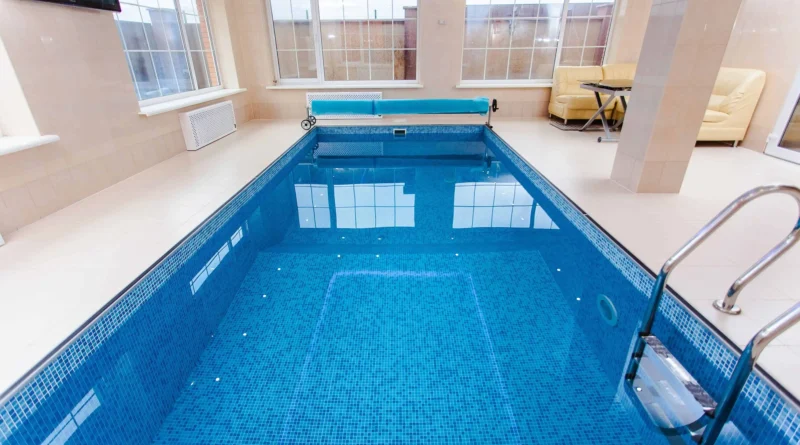
Swimming Pool Waterproofing Mistakes That Can Cost Thousands
A swimming pool is built to hold a massive amount of water, but the structure also has to fight back against water that wants to creep in the other direction. So waterproofing is not just a last step, more like a constant guarding thing. One small misstep during construction can later turn into leaks, worn-out finishes, structural headaches, and yes very expensive repairs
The good news though is that most waterproofing failures can be avoided, if the job gets planned right and checked, like actually tested and not just glanced at. For property owners working with a swimming pool construction company in Dubai, understanding common waterproofing mistakes can help prevent expensive repairs later.
Using the Wrong Waterproofing Material
Not every waterproofing product is meant for a swimming pool. Pools stay wet for long stretches, so the waterproofing system needs to be engineered for continuous immersion, and for hydrostatic pressure, too.
If someone chooses a general-purpose coating just because it costs less, that usually causes trouble later. The coating might lose its grip, form cracks, or end up with fragile weak zones. Also ASTM has specific tests for how liquid-applied waterproofing membranes handle hydrostatic pressure, which is kind of a big deal. It shows why picking the correct product is not optional.
What counts as the “right system” depends on the pool structure, the surface underneath, the site, the water behavior, and the manufacturer’s requirements.
Applying Waterproofing Over a Not-So-Good Surface
Even a “premium” waterproofing product can end up failing when it gets spread on top of a poorly prepared surface, kinda like ignoring the foundation first. Dust, loose concrete, laitance, oil, and weak sections can stop proper adhesion, and the layer just does not hold as expected. Also, cracks really should be fixed before the waterproofing layer is even installed. In fact, industry guidance keeps pointing to poor surface preparation as one of the most common reasons waterproofing fails in the first place.
So, before any coating starts, the surface has to be cleaned, repaired, primed, and conditioned in line with the chosen system, not just “sprayed and hope.”
Ignoring Corners, Joints, and Pipe Penetrations
Big, flat areas often look fine, but leaks rarely start there. More often, trouble shows up at transitions and penetrations, including corners, construction joints, drains, lights, skimmers, return fittings, plus pipes.
These spots naturally see movement, so water ends up finding those small routes through the structure. Waterproofing specialists in Dubai also note that coping transitions, steps, and drains tend to become failure points, pretty frequently.
In other words, these areas need proper reinforcement, sealants, waterstops, or flexible treatments—not merely covered up with the main coating in a simple pass.
Using Too Little Material
Trying to cut costs by using less waterproofing material than needed can turn into a pretty costly error. If a membrane is placed under the manufacturer required thickness, it may end up with thin zones or tiny punctures, and then water can sneak through.
The application is supposed to match the stated coverage rate, the required number of layers, the drying time, and the curing environment too. Also, moving from one coat to the next too fast can mess with how well it performs, even if it looks okay at a glance.
Skipping the Water Test
A major mistake is assuming the pool is watertight because everything looks finished, smooth, and “done”.
A water-retention test should be carried out before wall coverings or floors cover up the waterproofing system. If leakage shows up later after tiles, coping, or other finishes are already installed, then finding the source and fixing it can become way more disruptive than it needs to be, because now you have to open everything back up.
The testing should follow a suitable method for the pool design and the local rules, not just some one-size-fits-all flood test routine. ASTM, in particular, states that its general flood-testing guidance is not meant for pools that stay continuously submerged.
Choosing the Cheapest Contractor
Waterproofing is one of those parts where the cheapest quote can end up turning into the most expensive final bill. Bad craftsmanship, well, it might look fine for a while, but it often stays out of sight until the pool is full and it actually gets used.
A reliable swimming pool construction company in Dubai should be ready to walk you through the waterproofing set up, how they prep the surface, what they do to protect vulnerable spots, the testing steps, and which materials they’re planning to use. Taj Mahal LLC is one example that you can keep in mind while comparing professional pool construction along with waterproofing services.
Final Thoughts
Pool waterproofing is not something you just fix later, once the tiles are already on. It needs to be handled as part of the full construction system right from the start, not as an afterthought or a quick remedy.
With the right materials, proper concrete preparation, extra attention to reinforcing vulnerable areas, sticking to the required application rules, and running tests before finishing, you can avoid a lot of costly headaches. Those extra checks done during construction, even if they feel minor, can easily save thousands later, and they can help keep the swimming pool watertight for years.