
7 Urgent Signs Your Roof is Begging for Repairs
Your roof is the first and most important line of defense for your home. It protects you, your family, and your belongings from rain, wind, sun, and snow. However, like any part of your home, it can wear down over time.
Ignoring the signs of a failing roof can cause severe and costly damage, such as structural rot, damaged insulation, and mold growth. The key to avoiding a full roof replacement is to catch problems early and have them addressed by a reliable roofer.
But what should you actually look for? This guide outlines the seven key signs that indicate your roof needs immediate professional help.
Visible Water Stains and Interior Leaks
This is the most obvious red flag. If you see brown, yellow, or copper-colored stains spreading across your ceiling or down your walls, water is getting into your home.
- What to look for: Discoloration on ceilings or walls, peeling paint, or bubbling wallpaper near the ceiling; and active drips during or after a rainstorm.
- Why it’s urgent: A leak means water has already penetrated your roof’s underlayment and decking. It is now affecting your home’s structural frame, insulation, and drywall. This can lead to rot, weakened structure, and toxic mold growth, which poses serious health risks.
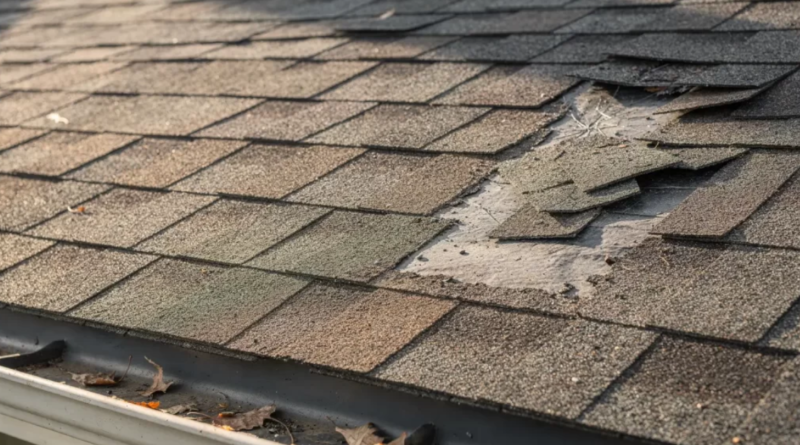
Missing, Cracked, or Curling Shingles
Use binoculars to safely inspect your roof from the ground. The condition of your shingles tells a lot.
- Missing Shingles: These create weak spots where water can flow directly onto your roof deck.
- Cracking: Shingles that are cracked, brittle, or have damaged edges have lost their protective coating and are nearing the end of their lifespan.
- Curling or Cupping: Shingles that curl upward at the edges (clawing) or in the center (cupping) are often victims of poor ventilation or simply old age. This curling exposes the material underneath to water and wind damage.
Granules in Your Gutters
Asphalt shingles have small, gravel-like granules that protect them from UV rays and provide fire resistance. As they age, they shed these granules.
- What to look for: Check your gutters and downspouts. If you see a lot of granules collecting there, causing the water to run a dark, gritty color, it’s a major sign of wear. You may also notice bare spots on the shingles where the asphalt underneath is visible.
- Why it’s urgent: Losing granules means the shingle is now exposed to the sun and is deteriorating quickly. This significantly shortens its lifespan and increases the risk of leaks.
Sagging Roof Areas
A roof should have straight, even lines. Any sign of a dip or sag is a serious problem that needs immediate attention.
- What to look for: A visible droop or dip in the roofline. This can often be seen from a distance.
- Why it’s urgent: Sagging usually means there’s a structural problem. The underlying decking may be rotten from long-term moisture exposure, or the supporting rafters or trusses could be damaged. This is a significant safety risk that could lead to a partial roof collapse.
Damaged or Rusty Flashing
Flashing is the thin metal, usually aluminum or steel, installed around roof fixtures like chimneys, vents, skylights, and in the valleys where two roof sections meet. Its job is to create a watertight seal.
- What to look for: Rust, cracks, or loose or missing pieces of flashing. Damaged flashing is one of the most common sources of leaks.
- Why it’s urgent: A failure in the flashing allows water to enter your home. Even if the surrounding shingles are in good condition, compromised flashing will lead to leaks every time it rains.
Light Shining Through the Attic
One of the easiest inspections requires you to visit your attic on a bright day with the lights off.
- What to look for: Any small holes or streams of daylight coming through the roof decking. While you’re there, also check for signs of moisture, dark stains on the wood, or mold growth.
- Why it’s urgent: If light can enter, so can water, wind, and cold air. This suggests holes or cracks in the roof deck that need to be sealed right away to maintain your home’s energy efficiency and protection from the weather.
A Sudden Spike in Energy Bills
Your roof plays a key role in your home’s thermal envelope. If your heating or cooling costs have risen unexpectedly, your roof might be the issue.
- What to look for: Unexplained increases in your monthly energy bills.
- Why it’s urgent: This could signal poor attic ventilation or damaged insulation. In the summer, a damaged roof allows heat to enter, making your AC work harder. In winter, warm air escapes, causing your furnace to run constantly. This not only costs money but also indicates a loss of your roof’s insulating ability.
What to Do If You Spot These Signs
If you notice any of these warning signs, don’t panic, but do act quickly.
- Document Everything: Take clear photos and notes of what you see, both inside and out.
- Call a Professional Roofer: Roofing is not a DIY task for beginners. Contact 2-3 reputable, licensed, and insured roofing contractors for a thorough inspection.
- Get a Detailed Estimate: A reliable roofer will provide a written, detailed estimate explaining the necessary repairs, the materials required, and the overall cost.
- Address Repairs Promptly: A small, timely repair is always more affordable than waiting for a disaster that requires a full roof replacement and major interior damage restoration.
Your roof is too important to ignore. By staying alert and acting on these signs right away, you can protect your home, your finances, and your peace of mind for years to come.
Conclusion
Your roof is a critical investment in your home’s safety and integrity. Ignoring the key signs—from leaks and missing shingles to sagging and energy bill spikes—can lead to severe structural damage, mold, and exorbitant repair costs. Proactive vigilance is your best defense. By promptly addressing these warnings with a professional inspection and timely repairs, you can extend your roof’s lifespan, protect your home’s interior, and avoid the financial burden of a premature full replacement. Ultimately, acting now safeguards your biggest asset and ensures lasting peace of mind for you and your family.