
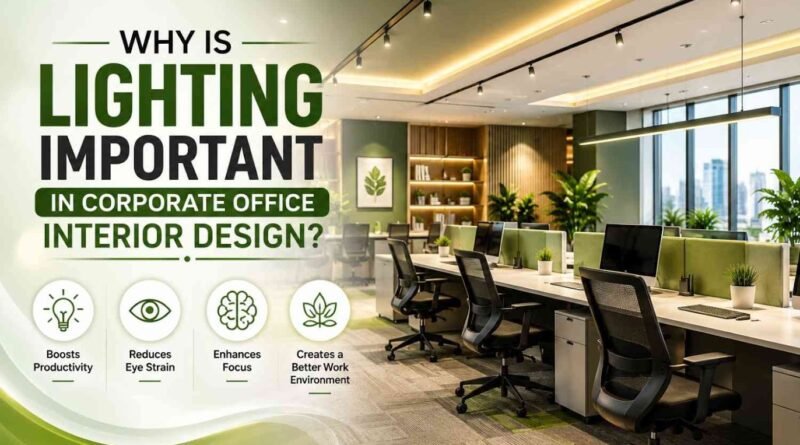
Why is Lighting Important in Corporate Office Interior Design?
Quick Highlights
- Good lighting improves employee comfort and daily work quality.
- Natural daylight creates bright and pleasant office spaces.
- Task lighting supports focused work at every workstation.
- LED lighting saves energy and reduces operating costs.
- Smart lighting gives better control and higher efficiency.
- Balanced lighting improves office appearance and client impressions.
- Professional planning creates functional and comfortable office interiors.
Do you want your office to feel brighter, more comfortable, and more productive? Lighting plays a big role in every workplace.
Good lighting does much more than help people see clearly. It creates a pleasant work environment, supports employee well-being, and leaves a positive impression on clients.
That is why, corporate office interior designer in Gurgaon focuses on creating spaces where people can work comfortably and efficiently.
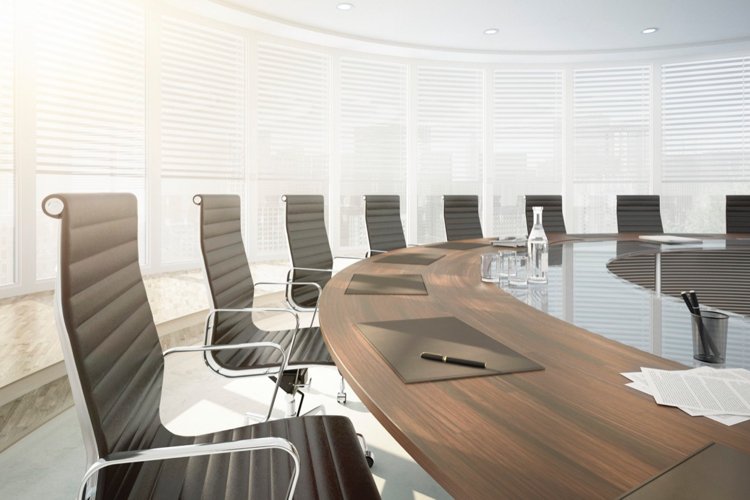
Lighting is one of the most important parts of that process. The right lighting plan can improve focus, reduce eye strain, and support the overall design of the office.
Why Does Lighting Matter in Corporate Office Interior Design?
Lighting affects how people work and feel every day. A well-lit office helps employees stay comfortable and complete tasks with fewer distractions. Poor lighting can create discomfort, tired eyes, and lower work quality.
It uses lighting to balance beauty and function. Designers choose different types of lights based on the purpose of each space.
Meeting rooms, workstations, reception areas, and break rooms all need different lighting solutions.
How Does Good Lighting Improve Employee Productivity?
Good lighting helps people stay focused throughout the day. Employees can read documents, work on computers, and attend meetings without unnecessary eye strain.
Natural daylight is one of the best lighting sources. Offices with large windows often create a more pleasant working environment.
Artificial lighting also plays an important role. Modern LED lights provide bright and consistent illumination while using less electricity.
Good workplace lighting can offer several benefits.
- Supports better concentration
- Reduces eye fatigue
- Creates a comfortable work environment
- Improves work accuracy
- Helps employees stay active during office hours
What Types of Office Lighting Should You Use?
Different office areas need different lighting styles. A single lighting solution cannot meet every requirement.
Ambient Lighting
It provides general brightness across the office. It lights up the entire workspace evenly. Ceiling-mounted LED panels and recessed lights are common choices.
Task Lighting
It focuses on specific work areas. Desk lamps and adjustable lights help employees perform detailed tasks such as reading, writing, or reviewing documents.
Accent Lighting
It highlights selected areas. Reception desks, artwork, company logos, and decorative walls often use accent lights. These lights improve the visual appeal of the office.
How Does Lighting Affect Employee Health and Comfort?
Lighting has a direct effect on employee comfort. Poor lighting can cause headaches, eye strain, and tiredness.
Good lighting supports healthy working conditions. Soft and balanced lighting reduces glare on computer screens.
Many offices now use adjustable lighting systems. Employees can change brightness levels based on their tasks and personal comfort.
Simple changes like reducing glare and using natural daylight can improve the overall office experience.
Why Is Natural Light Important in Office Design?
Natural light creates a pleasant and welcoming workplace. It makes office spaces feel larger, cleaner, and more open.
Many businesses place workstations near windows so employees receive more daylight. Glass partitions also allow sunlight to travel through different parts of the office.
Natural lighting offers many advantages.
- Reduces electricity use during daytime
- Creates a brighter work environment
- Supports employee comfort
- Improves office appearance
- Gives meeting rooms a fresh look
How Does Lighting Improve Office Appearance?
Lighting helps define the overall style of an office. Even simple furniture can look attractive under the right lighting.
Reception areas often use warm lighting to create a welcoming first impression. Conference rooms usually use balanced lighting that supports presentations and discussions.
Designers also use lighting to highlight company branding. Illuminated logos, feature walls, and decorative ceilings add character without making the office feel crowded.
Proper lighting brings balance to colors, textures, and furniture. Every design element becomes easier to notice.
What Should Businesses Consider While Planning Office Lighting?
A good lighting plan starts with understanding how each space will be used. Different departments have different lighting needs.
Designers usually consider several factors before choosing lighting.
Office Layout
Open workspaces need even lighting. Private cabins may need adjustable lights.
Employee Tasks
Computer work requires lighting that reduces glare. Creative spaces may need brighter environments.
Energy Efficiency
LED lighting uses less electricity and lasts longer than traditional bulbs. This helps reduce operating costs.
Light Color
Cool white light works well in work areas. Warm lighting suits lounges and waiting areas.
Maintenance
Easy-to-maintain lighting systems reduce future repair work and replacement costs.
Can Smart Lighting Improve Modern Offices?
Yes. Smart lighting systems have become popular in modern corporate office interior design.
Motion sensors turn lights on only when someone enters a room. Timers switch lights off after office hours.
Smart lighting offers several advantages.
- Saves electricity
- Reduces unnecessary lighting
- Improves employee comfort
- Supports flexible workspaces
- Simplifies lighting control
What Common Lighting Mistakes Should Offices Avoid?
Many offices overlook lighting during renovation or design planning. This can reduce employee comfort and affect daily work.
Avoid these common mistakes.
- Using only one lighting type throughout the office.
- Ignoring natural daylight.
- Placing lights that create screen glare.
- Using lights that are too bright or too dim.
- Skipping task lighting for workstations.
- Choosing style over functionality.
- Forgetting regular lighting maintenance.
How Can Professional Interior Designers Help?
Professional designers understand how lighting affects both people and office spaces. They study office layouts, employee needs, and business goals before preparing a lighting plan.
They also choose suitable fixtures, light placement, and brightness levels for each area. This creates a workspace that supports productivity while matching the company’s brand image.
Experienced designers also consider energy savings, maintenance needs, and future office expansion.
The Bottom Line
The best interior designers in Gurgaon depends heavily on good lighting. The right lighting supports employee comfort, improves productivity, reduces eye strain, and creates an attractive workplace. A balanced mix of natural light, ambient lighting, task lighting, and smart lighting helps businesses build offices that look professional and support better daily performance.