
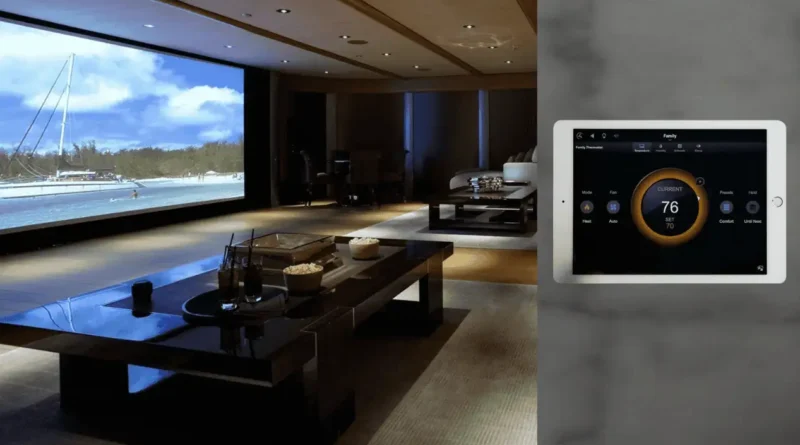
The Growing Importance of Personalized Climate Control
Walk into almost any family home and you’ll quickly discover one universal truth: not everyone agrees on the thermostat. One person is reaching for a sweater while someone else is opening a window. The living room feels perfect, but the upstairs bedroom is too warm. The home office gets afternoon sun and turns into a greenhouse, while the basement stays cool all year long.
For decades, homeowners accepted these comfort compromises because traditional heating and cooling systems treated the entire house as one large space. Today, that approach is changing. Personalized climate control is becoming one of the biggest trends in the HVAC industry, giving homeowners more flexibility, better comfort, and greater energy efficiency than ever before.
Modern technology allows heating and cooling systems to adapt to how people actually live instead of forcing everyone to share the same temperature settings. As homes become more diverse in how they are used, personalized climate control is quickly becoming less of a luxury and more of an expectation.
Every Room Has Its Own Personality
No two rooms behave exactly the same.
A south-facing bedroom may receive direct sunlight for most of the afternoon. A home office filled with computers naturally generates more heat than a guest bedroom. Kitchens become warmer while cooking, while finished basements often remain cooler throughout the year.
Trying to control all of those spaces with a single thermostat can be surprisingly challenging.
One HVAC installer shared a story about visiting a family who had almost given up on making everyone comfortable.
“The parents loved sleeping in a cool room, but their young kids kept waking up because their bedrooms felt too cold overnight. We installed separate zones upstairs, and a few weeks later the homeowner laughed and said the thermostat arguments had completely disappeared.”
That experience highlights why personalized climate control has become so appealing. Instead of asking everyone to compromise, today’s systems can adapt to different spaces and different preferences.
One Temperature Doesn’t Fit Everyone
Comfort is surprisingly personal.
Some people prefer cooler rooms while they sleep. Others want a warmer home office during the workday. Older adults often feel comfortable at slightly higher temperatures, while younger family members may prefer cooler environments.
Personalized climate control allows homeowners to create settings that match individual lifestyles rather than relying on one universal temperature.
Think about lighting in your home. You probably don’t expect every room to have the same brightness. The kitchen, bedroom, and reading nook each serve different purposes, so they use different lighting.
Heating and cooling are beginning to follow the same philosophy.
Instead of asking, “What’s the right temperature for the whole house?” homeowners are asking, “What’s the right temperature for this room?”
Multi-Zone Systems Are Changing the Game
One of the biggest innovations supporting personalized comfort is multi-zone HVAC technology.
Rather than sending the same amount of conditioned air throughout the entire house, multi-zone systems allow individual rooms or areas to operate independently.
That means someone working from home can keep their office comfortable without heating or cooling unused bedrooms. Family members can adjust temperatures based on personal preferences instead of negotiating a compromise every day.
This approach also helps improve efficiency.
According to the U.S. Energy Information Administration, heating and cooling account for roughly half of the average household’s annual energy consumption. Conditioning only the spaces that need it can help reduce unnecessary energy use while improving comfort.
It’s a simple idea with surprisingly meaningful benefits.
Smart Controls Make Everyday Life Easier
Today’s climate control systems are becoming much more intuitive.
Programmable schedules allow temperatures to change automatically throughout the day. Homeowners can lower heating or cooling while everyone is away and return to a comfortable home without touching the thermostat.
Some systems also allow different schedules for different zones.
Imagine a household where one family member works nights, another works from home, and the children are at school during the day. Personalized scheduling allows each space to operate according to how it is actually used.
One contractor described helping a retired couple set up their new system.
“They spent most afternoons in their sunroom, but every evening they moved into the family room. We created schedules for both areas, and after a month they told us they hadn’t touched the thermostat once.”
That kind of convenience quickly becomes something homeowners wonder how they ever lived without.
Quiet Comfort Makes a Big Difference
Personalized climate control is about more than temperature settings.
Modern variable-speed systems adjust their output gradually instead of constantly starting and stopping. That means quieter operation and more stable indoor conditions.
Anyone who has lived with an older HVAC system knows the familiar sound of a loud blower suddenly roaring to life during dinner or in the middle of the night.
Newer systems often operate so quietly that homeowners barely notice them.
One installer recalled receiving an unexpected phone call the day after completing an installation.
“The homeowner thought something was wrong because they never heard the equipment running. We asked them to check the temperature inside the house. Every room was exactly where it should be.”
Sometimes the best technology is the technology you don’t notice.
Better Comfort Can Also Mean Better Efficiency
Many homeowners assume personalized climate control automatically increases energy use because more settings are involved.
In reality, the opposite is often true.
Conditioning empty guest rooms throughout the day wastes energy. Heating an entire second floor when everyone is downstairs watching television isn’t always necessary.
Personalized zoning allows homeowners to direct heating and cooling where it is actually needed.
The U.S. Department of Energy also notes that duct losses can account for more than 30% of energy consumption for space conditioning in some homes. Ductless mini split systems help reduce those losses while giving homeowners greater control over individual spaces.
Comfort and efficiency no longer have to compete with one another.
Small Changes Can Have a Big Impact
Not every improvement requires replacing an entire HVAC system.
Homeowners looking to improve personalized comfort can start with a few practical steps.
Schedule a professional assessment to identify rooms with uneven temperatures.
Use programmable schedules that reflect your family’s daily routine.
Keep air filters clean so airflow remains consistent throughout the house.
Avoid blocking indoor units or supply vents with furniture.
Consider whether certain areas of the home would benefit from independent temperature control instead of relying on one thermostat.
These relatively simple changes can often improve comfort without major renovations.
Do Your Homework Before Choosing a System
Every home has different heating and cooling needs, so taking time to research your options is worthwhile.
Compare efficiency ratings alongside comfort features. Learn how different zoning configurations work. Ask contractors how they determine proper equipment sizing rather than recommending a standard solution.
Many homeowners also read Cooper&Hunter reviews to understand how systems perform in everyday situations. Reviews can offer useful perspectives, but they should be considered alongside efficiency ratings, warranty information, installation quality, and advice from experienced HVAC professionals.
The best purchasing decisions come from looking at the complete picture.
The Future of Home Comfort Is Personal
The days of one thermostat controlling every room exactly the same way are gradually giving way to a more flexible approach. Homes have evolved, families have different schedules, and comfort means something different to every person under the same roof.
Personalized climate control recognizes those differences. It allows homeowners to create spaces that feel comfortable without wasting energy or asking everyone to settle for the same settings.
As HVAC technology continues to improve, personalized comfort will likely become the new standard rather than a premium feature. Homes will continue becoming quieter, more efficient, and more responsive to how people actually live.
In the end, the goal isn’t simply to heat or cool a house. It’s to create living spaces where every room feels like it was designed for the people who use it most. That’s a future worth getting comfortable with.