
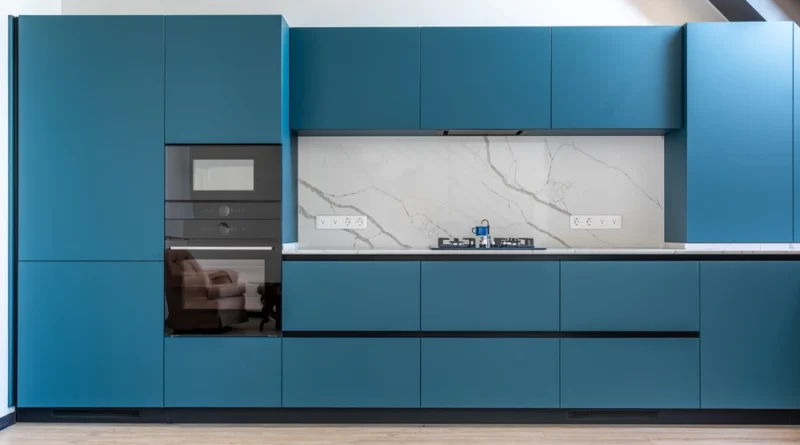
How to Choose Durable Flat Panel Kitchen Cabinets
Flat panel cabinets have become incredibly popular in Milwaukee kitchens. Their clean lines and modern appeal attract homeowners seeking contemporary style. But beauty means nothing if your cabinets fall apart in five years. Durability should be your top priority when investing in new cabinetry. Quality kitchen cabinets flat panel designs can last decades with proper material selection and construction. This guide will help you make smart choices that balance style with longevity. You’ll learn which materials hold up best, what construction features matter most, and how to spot quality indicators.
Flat Panel Cabinet Construction
Flat panel cabinets feature single slab doors with no raised panels or decorative details. This simple design actually offers durability advantages. Fewer joints and seams mean fewer places for moisture to penetrate or damage to occur. The frameless construction provides more interior space while maintaining structural integrity.
Construction quality varies dramatically between manufacturers. Premium cabinets use superior joinery methods like dovetail joints. Budget options may rely on staples or basic glue. These differences directly impact how long your cabinets last. The cabinet box thickness, hinge quality, and finish application all contribute to overall durability. Understanding these factors helps you evaluate options effectively.
Right Materials for Longevity
Material selection makes the biggest difference in cabinet durability. Not all flat panel cabinets are created equal. The core material determines how well cabinets resist moisture, weight, and daily wear.
Plywood stands out as the most durable choice. It resists warping better than other options. Multiple wood layers create strength and stability. Plywood handles moisture exposure well, which matters in kitchens. It costs more initially but saves money long-term through extended lifespan.
High-grade MDF with quality laminate or thermofoil offers good durability at moderate prices. The smooth surface resists dents and scratches when properly finished. MDF works well for painted cabinets. However, exposed edges must be sealed carefully. Water damage can cause swelling if moisture penetrates the core.
Solid wood provides natural beauty and decent durability. It can be sanded and refinished multiple times over its life. Wood requires more maintenance than engineered materials. Regular sealing protects against moisture. Quality hardwoods like maple or oak outlast softer woods significantly.
Avoid particleboard entirely for kitchen applications. This cheap material crumbles under moisture exposure. Cabinet boxes made from particleboard sag over time. Hinges pull loose from the weak material. The money saved upfront gets wasted on early replacement.
Evaluating Cabinet Hardware and Hinges
Hardware quality directly affects daily cabinet performance. Cheap hinges fail quickly under repeated use. Investing in quality hardware extends cabinet life substantially.
Soft-close hinges protect cabinet doors from slamming damage. They reduce wear on both hinges and cabinet boxes. European-style hinges with adjustability allow fine-tuning over time. Look for hinges rated for 100,000 cycles or more. Quality manufacturers back their hardware with solid warranties.
Drawer slides matter just as much as hinges. Full-extension ball-bearing slides operate smoothly for years. They support heavy loads without sagging or sticking. Under-mount slides provide cleaner looks and better durability than side-mount options. Check weight ratings to ensure slides match your storage needs.
Handle and pull quality varies widely. Solid metal hardware outlasts hollow options. Secure mounting prevents loose handles that damage cabinet faces. Some homeowners prefer handleless designs with push-to-open mechanisms. These eliminate hardware entirely while maintaining clean aesthetics.
Finish Options That Stand the Test of Time
Cabinet finishes protect underlying materials while providing beauty. Finish durability varies based on type and application quality.
Matte finishes hide fingerprints and minor scratches better than glossy options. They maintain appearance longer with less frequent cleaning. High-gloss finishes show every imperfection but clean easily. Both work well when properly applied. Multiple finish coats with proper curing create durable surfaces.
Wood grain finishes showcase natural beauty while protecting the material. Quality veneers with protective topcoats resist moisture and wear. Look for finishes specifically rated for kitchen use. These handle heat, humidity, and cleaning products better than standard furniture finishes.
Painted finishes offer unlimited color options and good durability. Multi-step paint systems with primer, color coats, and protective topcoats last longest. Factory-applied paint typically outperforms field painting. Quality paint resists chipping and can be touched up when needed.
Shaker Cabinets vs Flat Panel: Durability Comparison
Many Milwaukee homeowners debate between shaker cabinets vs flat panel styles. Both offer good durability when built properly. Construction quality matters more than style choice.
Flat panel construction has fewer joints and seams. This reduces potential failure points. The simple design resists moisture penetration effectively. Cleaning takes less effort without grooves collecting dirt and grease.
Shaker style features recessed center panels with frames. The additional joinery creates more places for potential issues. However, quality shaker construction remains very durable. The frame-and-panel design actually allows wood movement without cracking.
For pure durability in kitchen environments, flat panel edges ahead slightly. The seamless design handles moisture exposure better. Both styles last decades when built with quality materials. Your personal style preference should guide the decision. Either choice works well when you prioritize construction quality.
Quality Indicators When Shopping
Knowing what separates quality cabinets from cheap ones protects your investment. Several key indicators reveal construction quality.
Dovetail joints in drawer boxes demonstrate quality craftsmanship. These interlocking joints hold tight under stress and weight. Cheaper drawers use stapled or glued corners that fail faster. Pull out drawers and examine corner construction carefully.
Cabinet box thickness affects overall durability significantly. Quality cabinets use 3/4-inch plywood for boxes. Budget options drop to 1/2-inch or use inferior materials. Thicker boxes resist sagging and provide better hinge support. They also dampen sound better when doors close.
Warranty coverage shows manufacturer confidence in their product. Quality cabinet makers offer 10-year to lifetime warranties. Short warranties or limited coverage suggest durability concerns. Read warranty details carefully to understand what’s actually covered.
Environmental Factors in Milwaukee
Milwaukee’s climate presents specific challenges for kitchen cabinets. Humidity fluctuates seasonally in the Midwest. Temperature changes cause expansion and contraction. Choosing materials suited to local conditions prevents problems.
Plywood and quality MDF handle humidity changes better than solid wood. Proper sealing protects all materials from moisture damage. Kitchen ventilation helps by removing excess humidity from cooking. Running exhaust fans during cooking protects cabinets long-term.
Heat from cooking appliances stresses nearby cabinets. Materials near stoves and ovens need superior heat resistance. Quality finishes prevent discoloration from heat exposure. Adequate spacing between cabinets and appliances prevents damage.
Installation Quality Matters
Even premium cabinets fail when installed poorly. Proper installation creates the foundation for long-term durability. Level installation prevents door alignment issues and premature hardware wear.
Professional installers understand proper mounting techniques. They ensure adequate support and correct spacing. Cabinets must be securely anchored to wall studs. Floor cabinets need level bases to prevent stress on boxes.
DIY installation saves money but requires skill and patience. Mistakes during installation cause problems that appear months later. Uneven cabinets stress hinges and create gaps. Poor mounting allows cabinets to pull away from walls. When looking for expert installation, searching for quality cabinet installation services ensures proper setup. Consider professional installation part of your durability investment.
Budget vs. Quality Balance
Cabinet shopping reveals dramatic price ranges. Understanding what drives costs helps you spend wisely. The cheapest option rarely delivers good value long-term.
Entry-level flat panel cabinets start around $100 per linear foot. These typically use particleboard or thin MDF construction. Hardware quality suffers at this price point. Expect 5-10 year lifespan with careful use.
Mid-range cabinets from $400-800 per linear foot offer much better durability. Quality plywood construction and decent hardware justify higher costs. These cabinets last 20-30 years with proper care. This range provides the best value for most homeowners.
Premium custom Kitchen cabinets exceed $800 per linear foot. They feature superior materials, hardware, and craftsmanship. Expect 30+ year lifespans with these investments. The extra cost makes sense for forever homes or luxury renovations.
Invest more in cabinet boxes and structural components. You can save somewhat on door styles and finishes. The hidden construction elements matter most for longevity. Visible features affect aesthetics but not necessarily durability.
Maintenance Tips for Maximum Lifespan
Proper maintenance extends cabinet life significantly. Simple daily care prevents major problems. A few minutes of attention keeps cabinets looking great for decades.
Clean spills immediately with soft cloths and mild soap. Avoid harsh chemicals that damage finishes. Water and gentle dish soap handle most kitchen messes safely. Dry surfaces thoroughly after cleaning to prevent moisture damage.
Check and tighten hardware annually. Hinges and handles gradually loosen with use. A few minutes with a screwdriver prevents damage from loose hardware. Lubricate hinges occasionally to maintain smooth operation. Adjust doors as needed to maintain proper alignment.
Touch up finish scratches and chips promptly. Small damage spreads when neglected. Keep touch-up paint or markers for quick repairs. Protecting finishes prevents moisture from reaching core materials. This simple maintenance dramatically extends cabinet life.
Where to Buy Quality Flat Panel Cabinets in Milwaukee
Milwaukee offers several options for purchasing durable flat panel cabinets. Local showrooms let you examine construction quality firsthand. You can open drawers, test hardware, and compare materials directly. Experienced staff can answer technical questions about durability.
Online cabinet retailers often offer better pricing than local stores. Many provide detailed specifications and quality certifications. Reading customer reviews reveals real-world durability performance. Ensure online purchases include clear warranty terms and return policies.
Ask suppliers specific questions about construction. Request information about box materials, drawer joinery, and hinge specifications. Quality suppliers proudly share construction details. Vague answers suggest potential quality concerns. Comparing multiple suppliers helps identify the best value for your durability requirements.
Conclusion
Choosing durable flat panel kitchen cabinets requires focusing on construction quality over appearance alone. Premium materials like plywood create foundations that last decades. Quality hardware ensures smooth daily operation for years. Proper finishes protect against kitchen moisture and wear. The investment in durability pays off through extended cabinet life and reduced replacement costs. Milwaukee homeowners benefit from understanding local climate factors that affect cabinet performance. Take time to evaluate construction details carefully. Ask questions about materials, warranties, and manufacturing processes. Your kitchen cabinets represent a significant investment. Making informed choices about durability ensures satisfaction for many years ahead.
FAQ Section
How long should flat panel cabinets last?
Quality flat panel cabinets last 20-30 years with proper care. Premium cabinets with plywood construction and quality hardware can exceed 30 years. Cheap particleboard cabinets may need replacement in 5-10 years.
What’s the most durable material for flat panel cabinets?
Plywood offers the best durability for flat panel cabinet construction. It resists moisture, supports heavy loads, and maintains stability over time. High-quality MDF with proper finishing provides good durability at lower cost.
Are flat panel cabinets more durable than shaker style?
Both styles offer similar durability when built with quality materials. Flat panel designs have fewer joints, slightly reducing potential failure points. Construction quality matters more than style choice for long-term durability.